
PANEL DISCUSSIONS
Popular Music Under Southeast Asian Lenses:
History, Lessons and Ways Forward
This panel seeks to showcase the longstanding role of popular music in national histories in Southeast Asia. By looking at three studies that investigates the structure, transformation, and functions of popular music in Malaysia, Indonesia, and in the Philippines, the panel opens the discourse for the manners in which music histories are aligned in the region and for a sharing of prospective strategies that the ASEAN Socio-cultural Community can take for further socio-cultural exchange and the potential formation of a Southeast Asian identity.
Navigating Music Policy Landscapes in Southeast Asia
Understanding the intellectual property landscape alongside the broader music policy discourses is always a first step for success in the music industry. This panel provides a platform to discuss the latest policies that affect the music industry and the broader creative economy in Southeast Asia. By allowing for policy dialogue between and among the countries, the panel provides an opportunity to learn from each other what works for musicians and other music workers in this part of the world.
Music as Work:
Capturing the Sociological Imagination among Musicians
This panel seeks to challenge the long-held conviction of the general populace that music is not work. By establishing musicians, technicians, producers, and others in the industry as music workers, the panel provides a platform for conversations for the persistence of the music sector despite its longstanding struggles and challenges.
Music Education:
Pedagogy and Access
This panel aims to examine how music education in Southeast Asia is evolving at the intersection of creativity, innovation, and the rapidly expanding creative industries. By bringing together perspectives on pedagogy, curriculum, digital literacy, and the practical demands of the music profession, the session explores how music education can better support students in building sustainable and meaningful careers. Through shared experiences from diverse Southeast Asian contexts, the panel aims to open a dialogue on strengthening inclusivity, resource provision, and industry alignment across the region.
PANEL SPEAKERS
PANEL 1
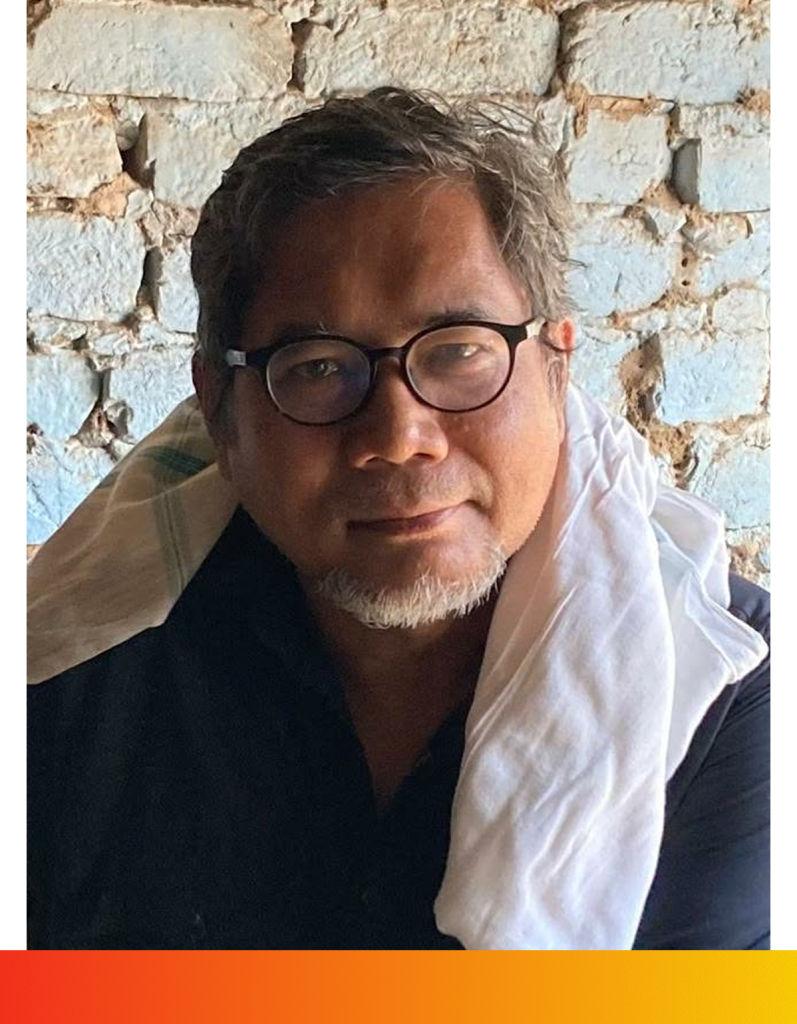
Raja Iskandar
Presenter
Raja Iskandar Raja Halid is an Ethnomusicologist and Associate Professor in the Department of Heritage, Faculty of Creative Technology and Heritage at Universiti Malaysia Kelantan, Malaysia. He holds a Bachelor in Music degree from the National Academy of Arts, Culture and Heritage (ASWARA), Masters of Arts (Ethnomusicology) from Universiti Malaysia Sarawak (UNIMAS) and PhD in Music Research (Ethnomusicology) from King’s College London.
Raja Iskandar is the author of “The Malay Nobat: A History of Power, Acculturation and Sovereignty” (2022, Lexington Books) and “The Royal Nobat of Perak” (2018, UMK Press). His articles have been published in journals and as book chapters in local and international publications. He is a member of the Committee of Experts in Malay Traditional Performing Arts appointed by the National Heritage Department of Malaysia. His research interests look into Malay music traditions with a focus on court music culture, Islamic performative arts and popular music.
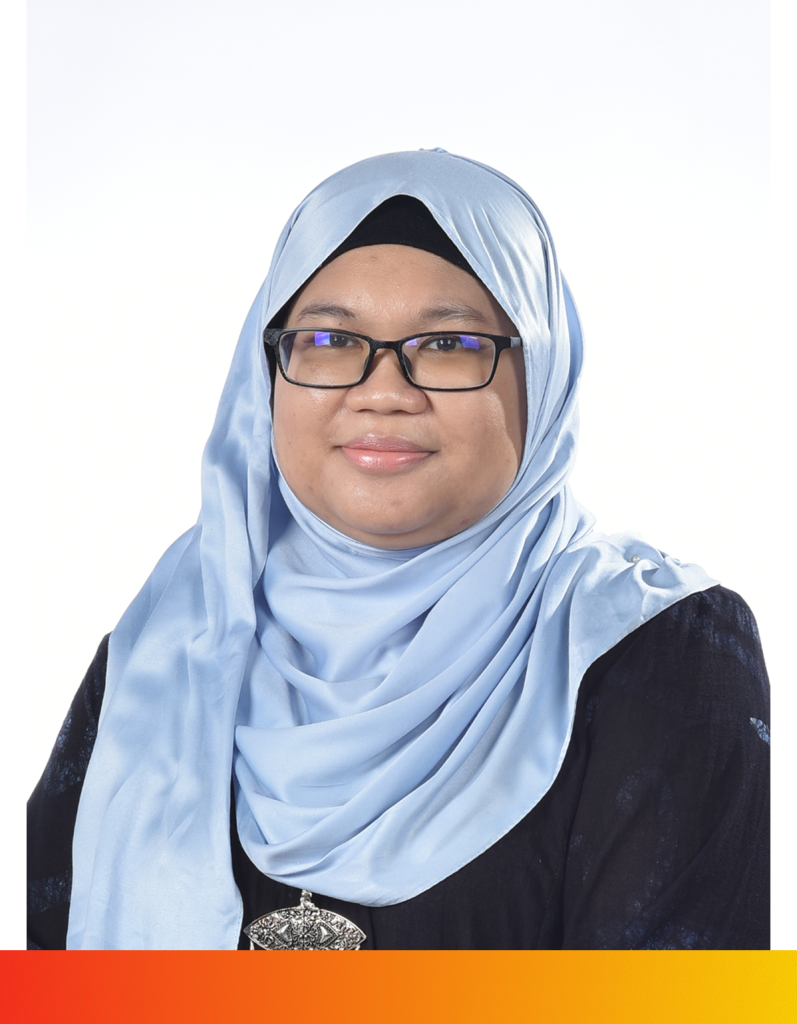
Nur Izzati Jamalludin
Presenter
Nur Izzati Jamalludin is a Senior Lecturer at the Faculty of Music, Universiti Teknologi MARA (UiTM), Malaysia. She received her doctoral degree in music at King’s College London, United Kingdom, funded under the UiTM’s young lecturer scheme in 2019. Her research interests include music in the northern peninsular Malaysia, archival ethnomusicology, music business and performing arts medicine. Nur Izzati’s book publication, based on her doctoral thesis, was published by The National Department for Culture and Arts Malaysia (JKKN), titled Mek Mulung: A heritage rediscovered. The book was shortlisted as part of the “50 Best Titles for International Rights 2022/2023” by the National Book Council of Malaysia. Nur Izzati is currently undergoing an industrial attachment with the Boustead Hotels and Resorts CEO office under the Malaysia’s Ministry of Higher Education’s CEO@Faculty program. The program is a government initiative to give industrial experiences to academicians in public universities to work directly with corporate CEO’s.
PANEL 3
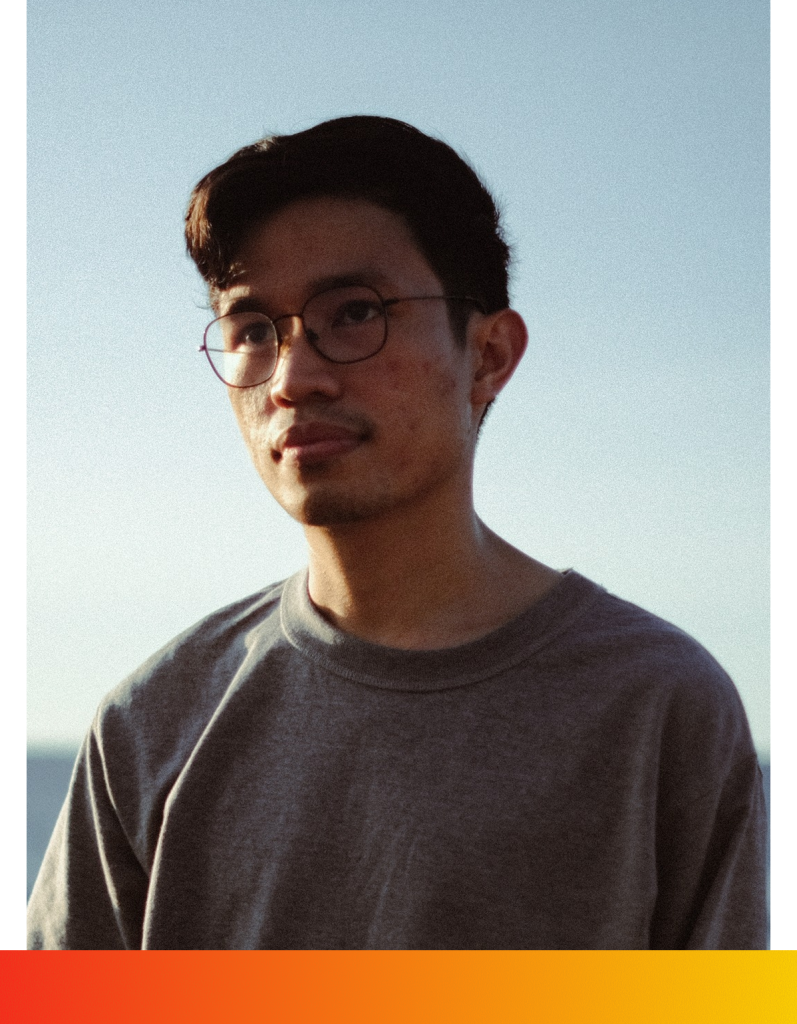
Andrew James Jiao
Presenter and Moderator
Andrew James Jiao, known to friends as ‘Adj’ or ‘AJ,’ is a musician and sociologist of music. He finished his undergraduate studies in UP Diliman, with the degree Bachelor of Secondary Education Major in Social Studies, and followed it up with a Master of Arts in Sociology degree from the same university.
He is a member of the indie band Munimuni, where he contributes mainly as a songwriter, singer, and guitar player. Parallel to his engagement with music as his livelihood is his interest in understanding music as a form and site of work. This led him to write his MA Thesis “Music Worlds as Workplaces: Reframing Indie Music Activities in Metro Manila” and to pursue other projects relating to the sociology of music. He is currently working as a researcher for MusikaPilipinas, a research project on the music industry under DOST-NRCP, and is a senior lecturer at the University of the Philippines Diliman.
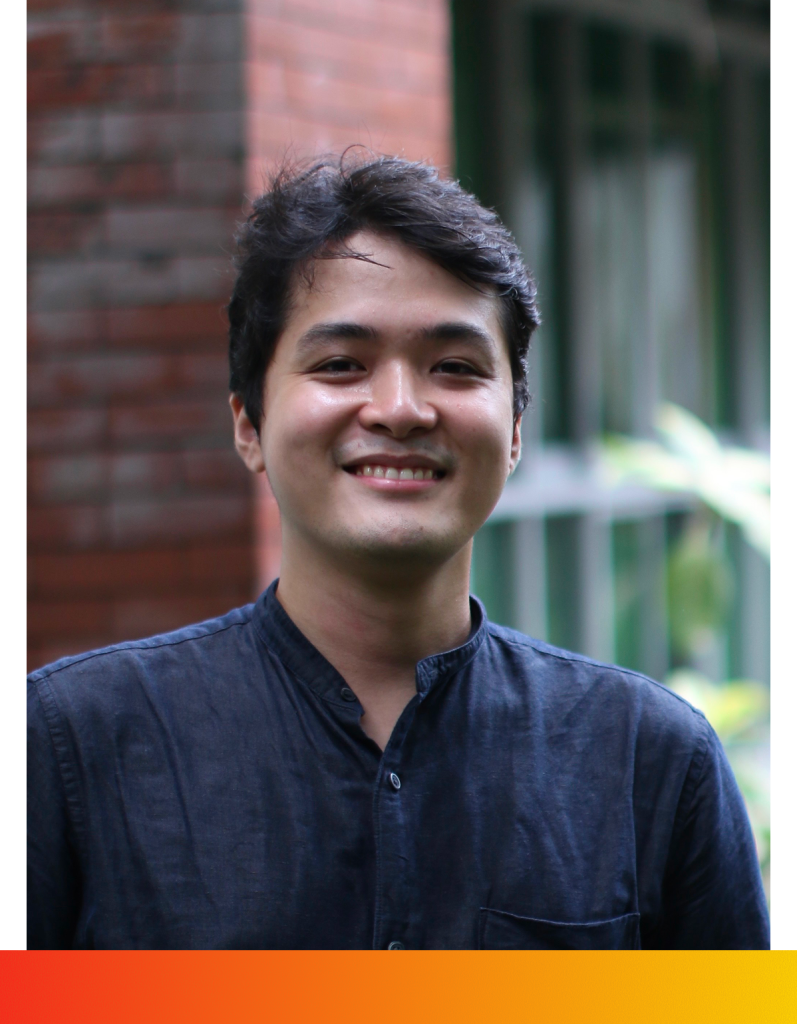
Jergil Gyle T. Gavieres
Presenter
Gyle is an instructor and MA Sociology candidate at the Department of Sociology, College of Social Sciences and Philosophy, University of the Philippines Diliman. As a self-aware ADHD-coded scholar, his work often emerges from his hyperfixations on informal lifeworlds and the micropolitics of selfhood and desire. His research interests include cultural sociology, sociology of music, leisure studies, assemblage theory, neoliberal affect and subjectivities. His current field research and MA thesis, funded by the UP Diliman Office for Initiatives in Culture and the Arts (UPD-OICA), focus on the meaning-makings of Filipino singer-songwriters and amateur music communities.
Beyond academia, Gyle is also an independent singer-songwriter and one half of the acoustic duo, Ileana and Gyle. He is also the founding chairperson and current faculty adviser of UP Likha sa Ramdam at Isip ng Kabataan (LIRIKA), a campus-wide organization of singer-songwriters and music enthusiasts.
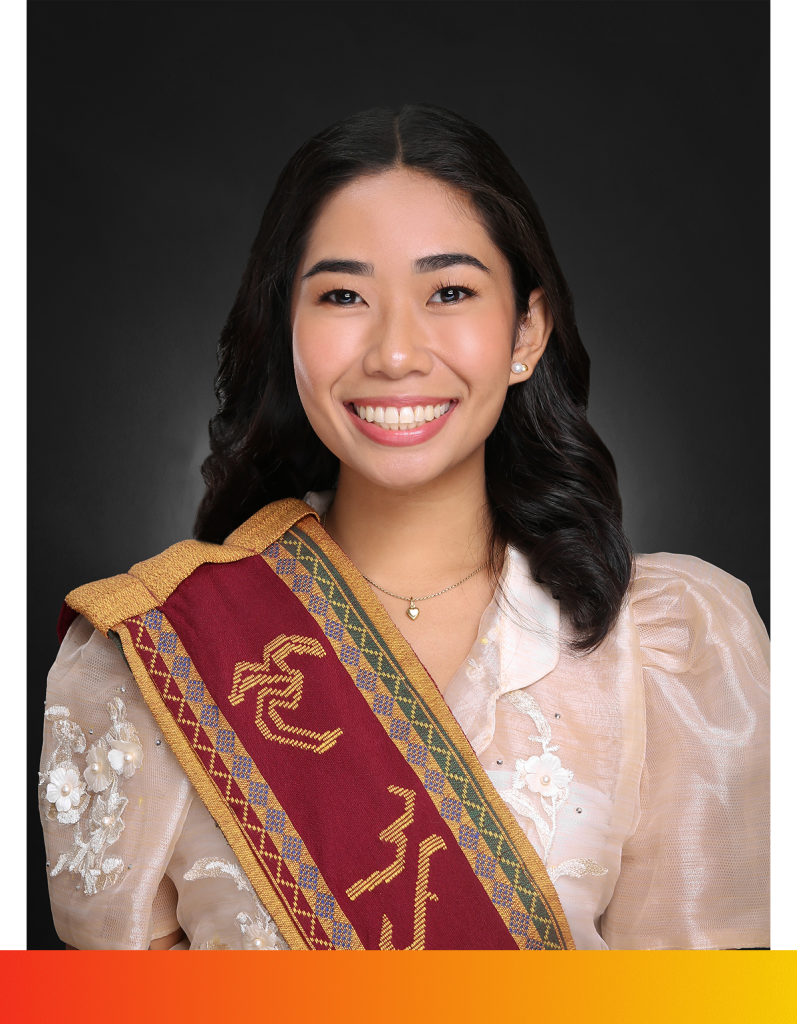
Valerie Ruth W. Setias
Presenter
Valerie works as a researcher in the Office of the President of a reputable retail real estate company in the Philippines, where she assists in strengthening the company’s role as a community builder. She holds a Bachelor of Arts in Sociology (magna cum laude) from the University of the Philippines. Her research interests include music, gender, and community building. While completing her undergraduate studies, she also worked as a freelance professional across various industries, including digital media, health and wellness, finance, and law.
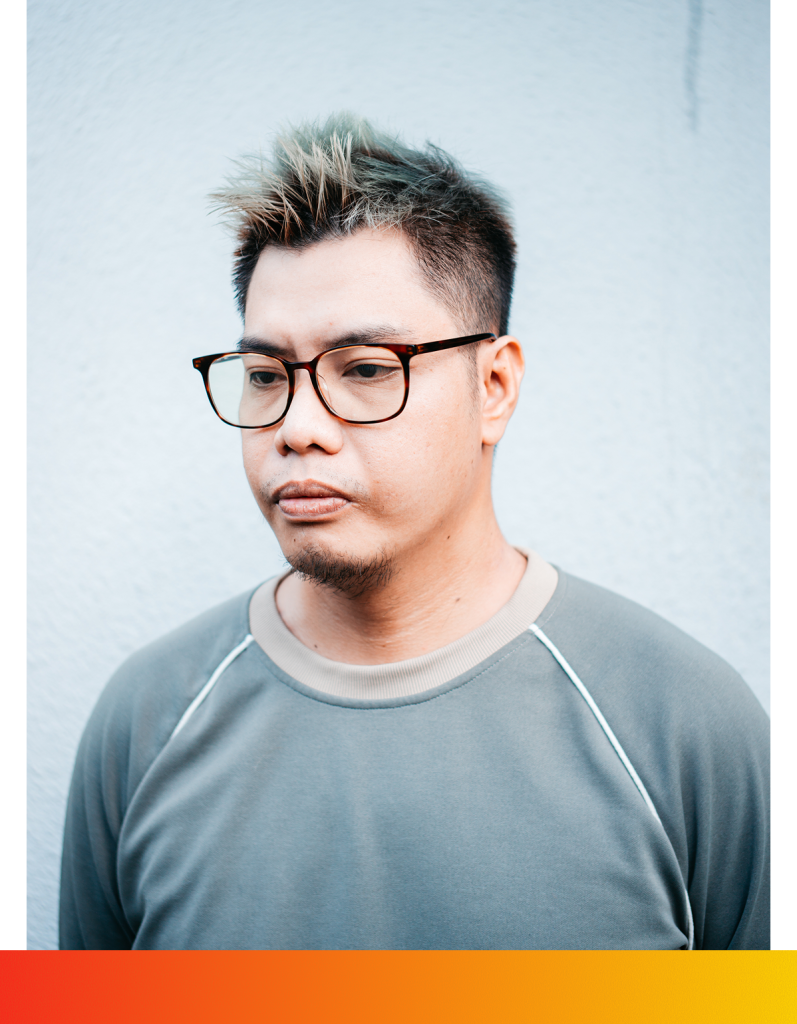
Fitzgerald N. Torralba, MA
Presenter
Fitzgerald N. Torralba is an assistant professor in the Department of Sociology, College of Arts and Social Sciences, Mindanao State University – Iligan Institute of Technology. He is also the current Artistic Director of the Resident Pop Band, Echoes. Currently, he is a faculty member of the dept of Sociology and his fields of interest and study are Sociology of Religion, Social Movements and the Culture and the Arts. He finished his undergraduate studies in AB Sociology (2016) and his Masters of Sociology last 2020 with his paper entitled “Punx mi Bai!”: The Iligan City Hardcore Punk Movement which was published in the Cultural Pedagogical Index (University of Alberta). He has presented papers locally and internationally and is also currently writing another paper about the different underground musical and religious movements in the Philippines funded by the British Academy and in collaboration with ADMU (Religion and the Public life in the Philippines). Additionally, he is the current Society Adviser for the MSU-IIT Sociological Society. He also works as the Technical Director, working for the Lights and Sound Design for select events in the University.
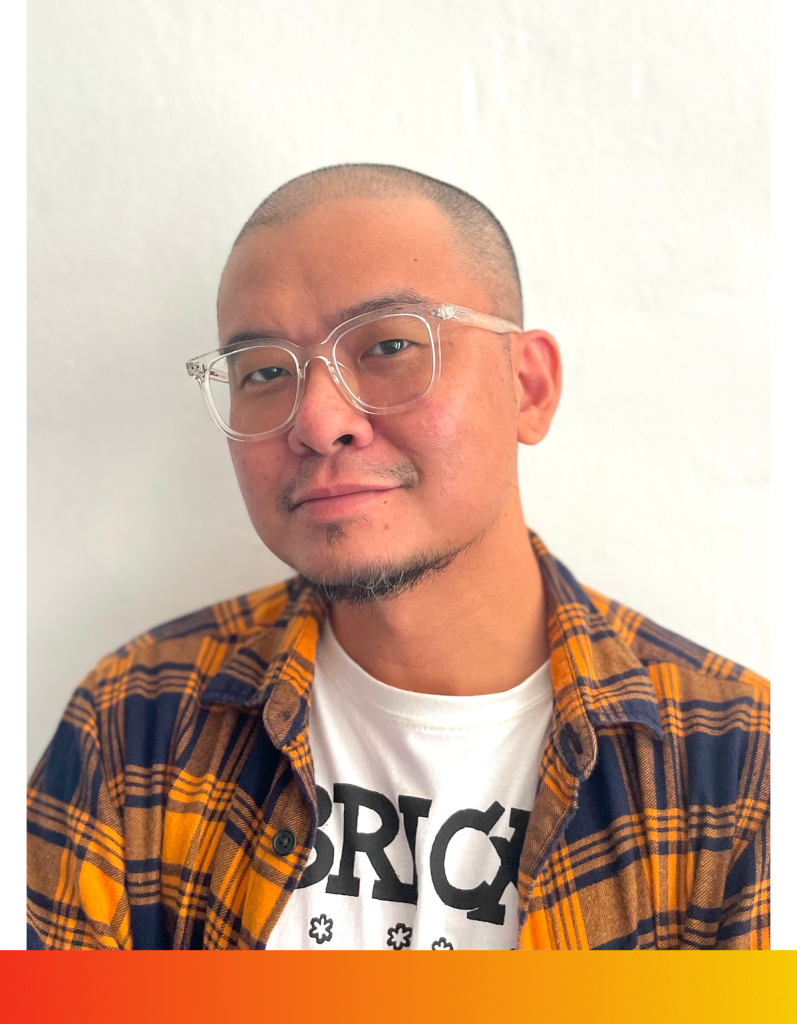
Yuen Kok Leong
Discussant
Yuen Kok Leong never quite had the commitment to form a band, but has spent much of his life orbiting the DIY music scene anyway. He currently serves as a Senior Research Officer at a state think tank in Malaysian Borneo, where he works on issues of socioeconomic development by day.
Outside office hours, he is part of the Noise Not Bombs collective, which organises its namesake annual DIY music festival and smaller shows across Sarawak. He previously edited and published Shock&Awe!, a zine documenting the DIY hardcore punk scene in Southeast Asia, driven by a passion for physical media and the smell of fresh offset print.
Yuen completed his Master’s dissertation on the ideology and identity of the punk subculture in Kuala Lumpur, and has since published two academic papers examining the commodification of punk, while remaining ambivalent about the idea of “selling out.” Somewhere between participant and observer, he continues to navigate punk as both a lived culture and an object of study.
A firm believer in punk’s ethics and underground networks, Yuen credits the scene with shaping his worldview as much as providing him with enduring friendships, floors to crash on, and a lifelong suspicion of neat conclusions.
PANEL 4

Chee-Hoo Lum
Presenter
Chee-Hoo Lum is associate professor of music education with the Visual & Performing Academic Group at the National Institute of Education (NIE), Nanyang Technological University, Singapore. He is the Coordinator of the NIE Centre for Arts Research in Education (CARE). Chee-Hoo’s research interests include examining issues towards identity, cultural diversity and multiculturalism, technology and globalization in arts education; children’s musical cultures; creativity and improvisation; and elementary music methods.
He is currently on the editorial board of RSME (Research Studies in Music Education) and IJMEC (International Journal of Music in Early Childhood. He is a board member of APSMER (Asia-Pacific Symposium for Music Education Research) and was on the board of ISME (International Society for Music Education) from 2016-2018. He has previously been the co-editor of IJME (International Journal of Music Education) from 2014-2020 and an associate editor with IJEA (International Journal of Education and the Arts) as well as on the editorial board of JRME (Journal of Research in Music Education).
